(Text and photos: author)
For a long time I had wished to be able to search my aviation photos specifically for pictures for use in publications, or simply to refresh a vague memory of a particular situation with the help of the corresponding pictures. But only with the end of MiG-21 operations in Europe did I have the capacity to create a suitable solution, as the undertaking turned out to be quite laborious. After all, in a good 30 years and almost 250 trips, more than 55,000 pictures had accumulated for which no retrievable information existed so far – apart from the respective storage folder, which allowed assignment to the respective trip and thus usually also to the location. But I was less interested in the location, as I could usually remember what I had seen in principle at the individual stops of my trips. More interesting was to get an overview of individual aircraft types and, above all in the case of the MiG-21, to be able to search specifically for individual aircraft, specific situations and photographed details.
Anyone who, like me, deals with databases professionally (even if only marginally) comes to appreciate the great possibilities they offer for picking out individual items from a large amount of information in a targeted way – very quickly, often with just one line of program code and practically at the push of a button. The only prerequisite, of course: the data from which the information is to be obtained and by which the results are to be filtered must exist.
Actually the evaluation of my pictures would be a perfect task for the "artificial intelligence", AI for short, that everyone is talking about today and that is supposedly able to take over so many everyday tasks. Unfortunately, this alleged "intelligence" is essentially applied probability calculation that, on the basis of known information, can then also process unknown information. And the known information has to be conveyed to the AI – the AI has to be "trained". In other words, I would have had to explain to the AI, using numerous pictures, what can be seen in the picture, and then hope that a similar picture would be interpreted correctly. My experience so far says that the results do not meet my requirements. Since the effort of "training" would also have meant losing control over my picture material (it has to be made available to the AI for training), this option was ruled out and only manual entry remained. It was clear that this would be a Herculean task, because even with an average processing time per picture – open, view, classify, enter – of 10 seconds, almost 153 hours or just under six and a half days of uninterrupted work would be needed to complete the task.
But since there was no hurry to work through this admittedly somewhat quirky subject, at some point I started entering a number of pictures as the mood took me and finally finished at the end of January 2025. Progress varied considerably in between. At the first airshows I visited in the 1990s there were sometimes dozens of (for me) exotic and largely unknown civil types to see, which had to be researched and documented individually. On later visits to MiG-21 bases, especially in the era of digital photography, sequences of 50 or 100 pictures sometimes showed the same aircraft, so that entry only took seconds. But it never went entirely without effort, because the only information that could be generated more or less automatically was the storage path and file name of the picture. All other entries – "subject", "version", "serial", "country", "situation" and "remark" – had to be made by hand. As mentioned, this was more or less laborious for the "subject" (in the case of an aircraft the type, otherwise a description of what could be seen in the picture, because of course there are also pictures of people, animals, buildings, landscapes or weather phenomena). The "version", which of course is only relevant if the subject is an aircraft, was filled in consistently by me only for the MiG-21 and otherwise as available. The "serial", i.e. the military serial or the civil registration, was – where recognisable – entered exactly as seen in the picture and was of course the best basis for research in the case of unknown types. For aircraft or vehicles the country is always the operator or owner country; for other subjects it is the location. Critical for the later evaluation is the parameter "situation". For aircraft, for example, a distinction is made between "flight", "take-off" and "landing", "maintenance" or also "stored". To remain consistent here, only a limited number of options was provided from the outset, which nevertheless grew to almost 50 terms over time. Finally, "remark" allows free descriptive text, although I tried to limit the number of variants and describe the same facts with the same wording.
The (lengthy) effort of compilation – during which, of course, just looking through all the pictures brought some surprises and fond memories to light – was finally followed by the (short) adventure of statistical evaluation, although the result is not really a MiG-21 statistic (as the title suggests) but a MiG-21 picture statistic or even an aircraft picture statistic in general.
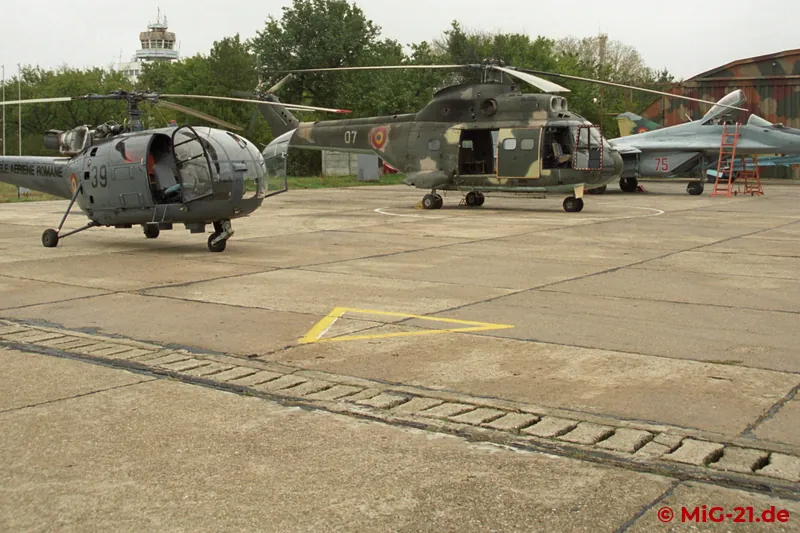
The aircraft type I have photographed most is of course the MiG-21 with 26,791 pictures – just under half of the collection – and 29,671 entries, because of course several aircraft can be seen in many pictures. Here and in all following evaluations, "MiG-21" includes the Chinese J/F-7 and the associated JJ/FT-7 two-seaters. In second place comes the MiG-29 with 3,073 pictures. I had actually expected the Mi-8/17/171 family here, which, with 1,355, reaches "only" just under half the entries. On closer inspection the reason quickly becomes clear. On every visit to the Bulgarian MiG-21s at Graf Ignatievo, the MiG-29s there were always present too. 1,493 MiG-29 pictures come from Bulgaria. For similar reasons the Aérospatiale Puma helicopter ends up in fourth place. Its Romanian licence version IAR-330 could be seen on every visit to Romania. With 1,058 pictures this comparatively exotic type even beats my favourite helicopter, the Mi-24, which follows closely with 1,054 pictures.
| Rank | Type | Number of pictures |
|---|---|---|
| 1 | MiG-21 | 29671 |
| 2 | MiG-29 | 3073 |
| 3 | Mi-8 | 1355 |
| 4 | Puma | 1256 |
| 5 | Mi-24 | 1054 |
| 6 | Su-25 | 878 |
| 7 | L-39 | 756 |
| 8 | MiG-23 | 740 |
| 9 | F-16 | 704 |
| 10 | F-5 | 643 |
If only active aircraft are counted, the result hardly changes. Only the Puma ends up just ahead of the Mi-8.
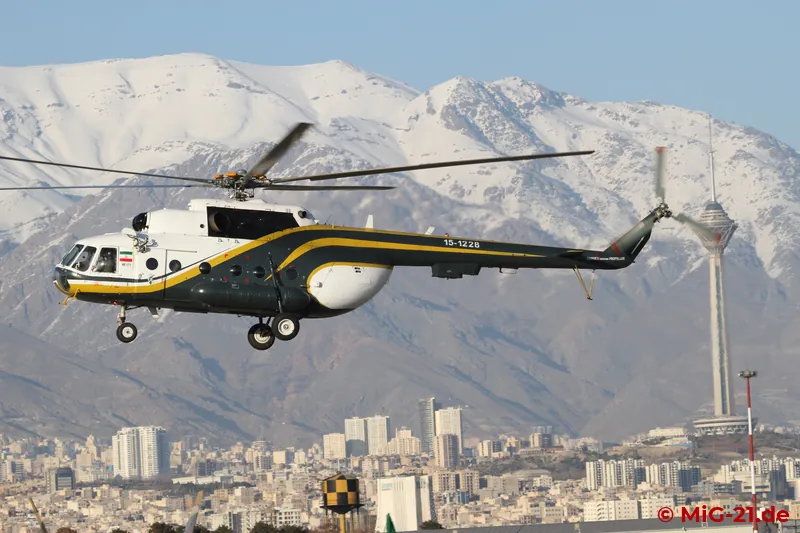
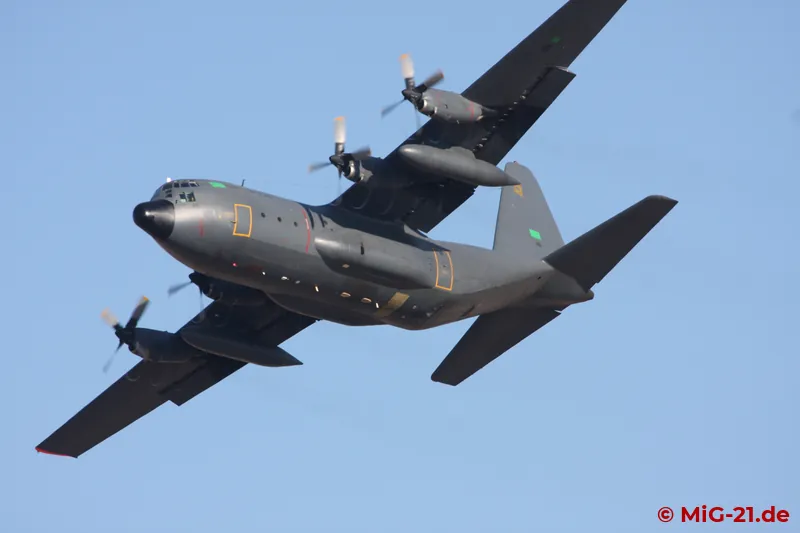
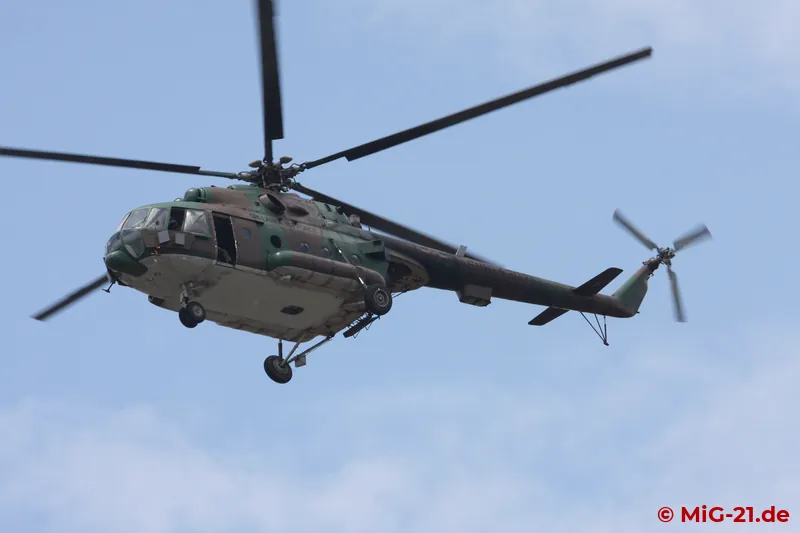
The aircraft type of which I have seen examples from the largest number of countries is also the MiG-21, with 33 countries. The countries from which the aircraft I photographed come (not in every case actually located in the respective country), according to their national markings or registrations, are Egypt, Albania, Ethiopia, Federal Republic of Germany, Bulgaria, People's Republic of China, ČSSR / ČSFR, GDR, Finland, India, Iran, Israel, Yemen, Yugoslavia, DPRK, Croatia, Mozambique, Nigeria, Pakistan, Poland, Romania, Russia, Serbia, Slovakia, Sri Lanka, Czech Republic, USSR, Uganda, Ukraine, Hungary and the USA. Next come the C-130 Hercules and the Mi-8, both types in worldwide use.
| Rank | Type | Number of countries |
|---|---|---|
| 1 | MiG-21 | 33 |
| 2 | C-130 | 27 |
| 3 | Mi-8 | 26 |
| 4 | L-39 | 18 |
| 5 | Mi-24 | 16 |
| 5 | MiG-23 | 16 |
| 5 | An-2 | 16 |
| 8 | MiG-29 | 15 |
| 8 | B-737 | 15 |
| 10 | F-16 | 14 |
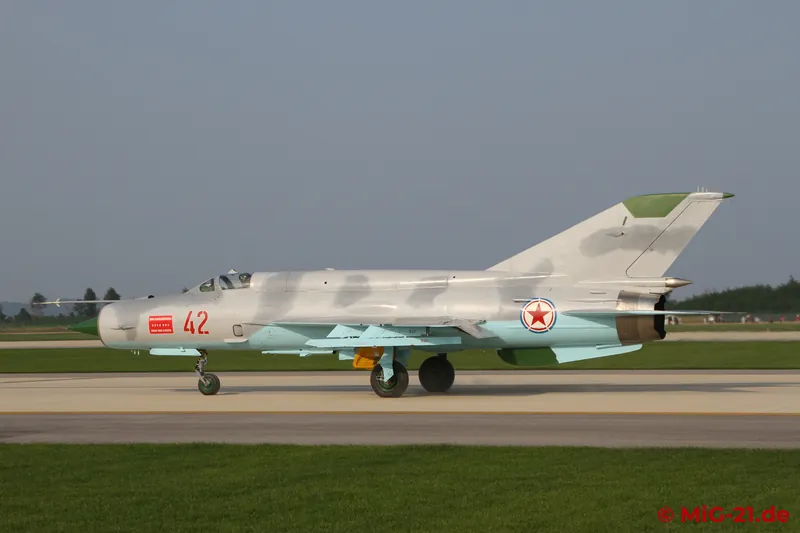
The country from which I have seen the largest number of different MiG-21s is Romania, with 197 aircraft, i.e. about half the fleet. Of course this includes numerous stored aircraft and wrecks. From the point of view of someone who wants to see the MiG-21 fly, it is of course much more interesting which country provided the largest number of active MiG-21s. Here, too, Romania is in front with 87 aircraft (all LanceR), followed – surprisingly given the few visits – by Poland with 38. But at the time of the trips to Poland in the early 2000s, a significant fleet was still active. Another surprise is third place for Bangladesh, as all the pictures come from a single visit. But on that visit numerous, partly brand-new aircraft could be seen.
| Rank | Country | Active aircraft |
|---|---|---|
| 1 | Romania | 87 |
| 2 | Poland | 38 |
| 3 | Bangladesh | 27 |
| 4 | Bulgaria | 24 |
| 5 | Hungary | 24 |
| 6 | Czech Republic | 22 |
| 7 | Slovakia | 19 |
| 8 | Croatia | 18 |
| 9 | Pakistan | 15 |
| 10 | Serbia | 13 |
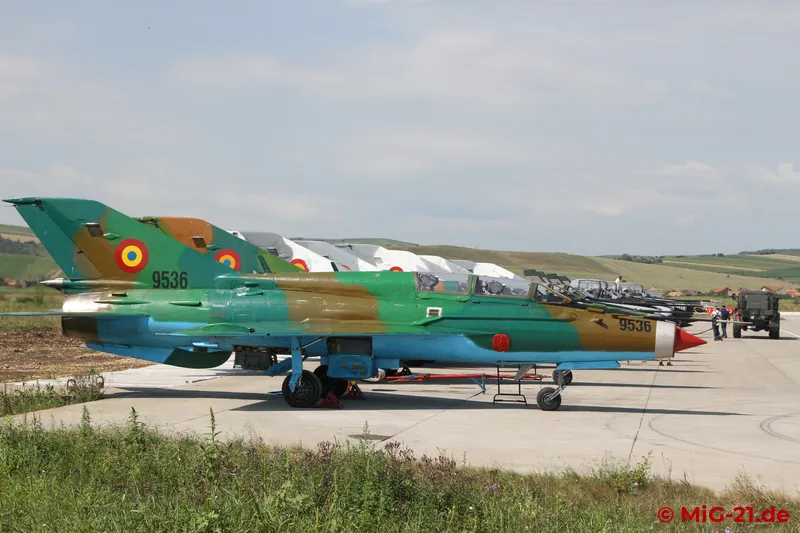
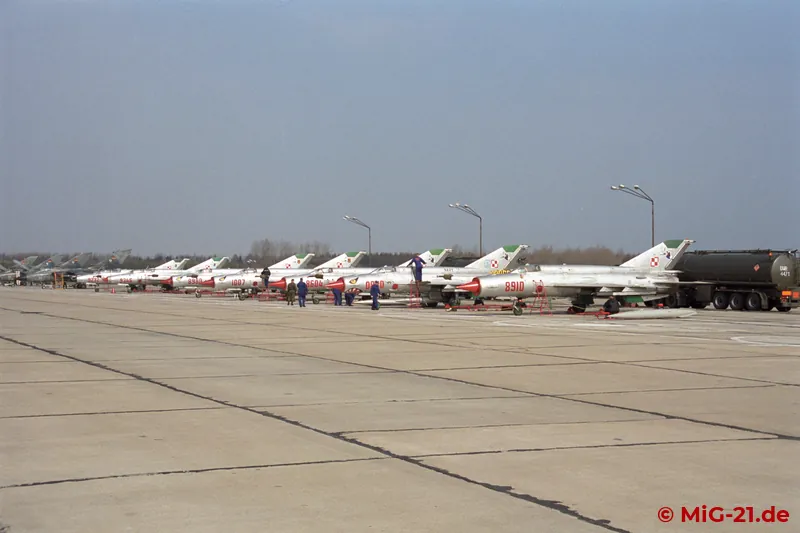
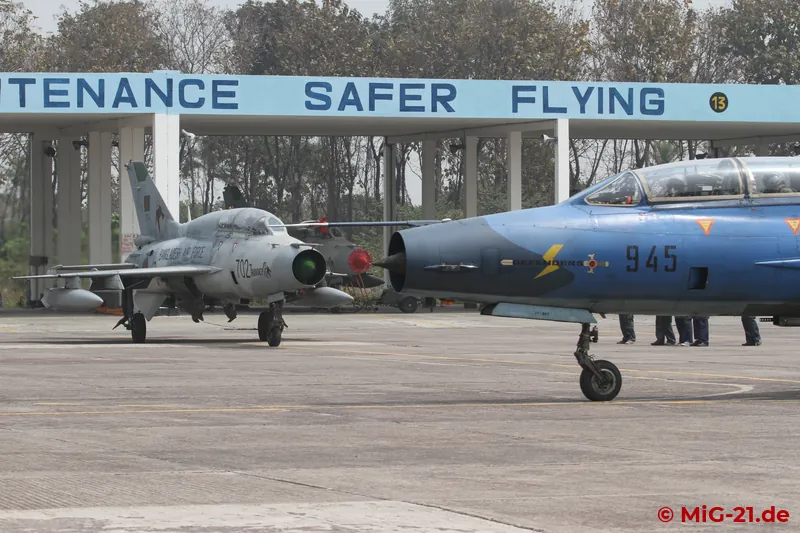
The country from whose MiG-21s most of my photos come (what counts here is the origin of the aircraft, not the location) is also Romania by a wide margin with 13,584 pictures, followed by Croatia with 4,264 and Bulgaria with 3,541. Across all types, too, Romania is far ahead. 17,951 photos were taken of Romanian aircraft, 7,503 of Bulgarian and 5,858 of Croatian. In total I have photographed aircraft (according to their markings) from 96 countries, from Afghanistan to Vietnam.
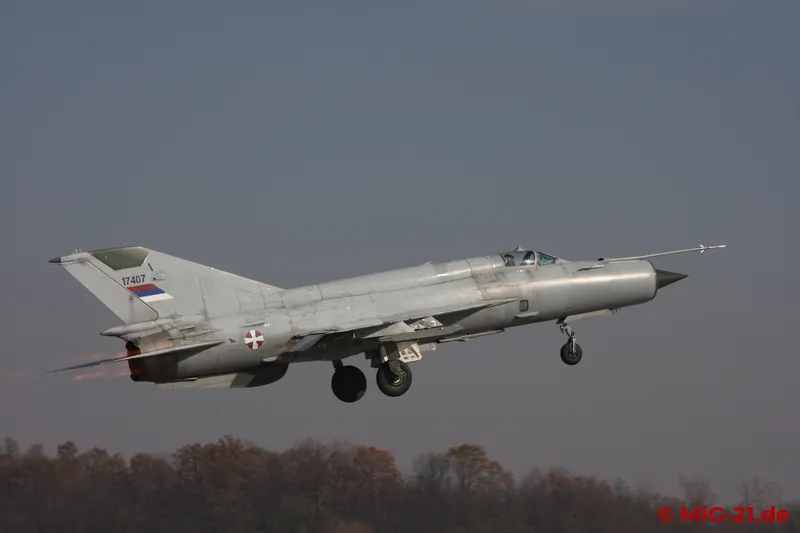
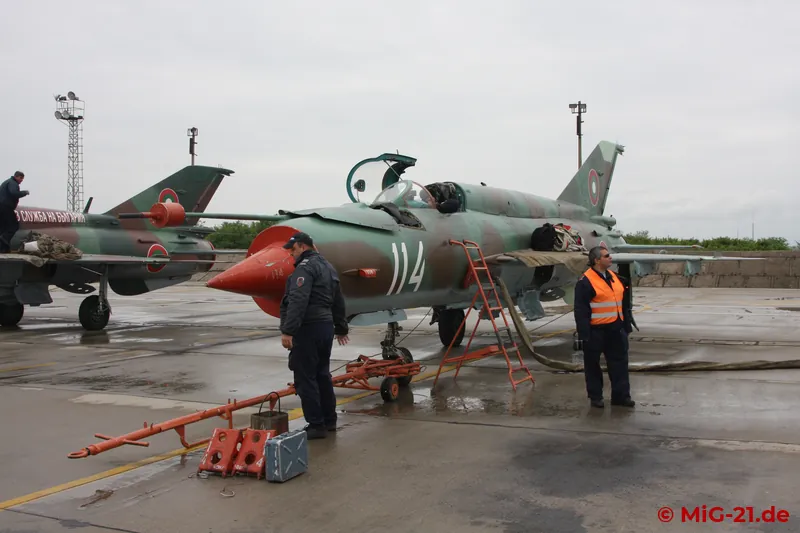
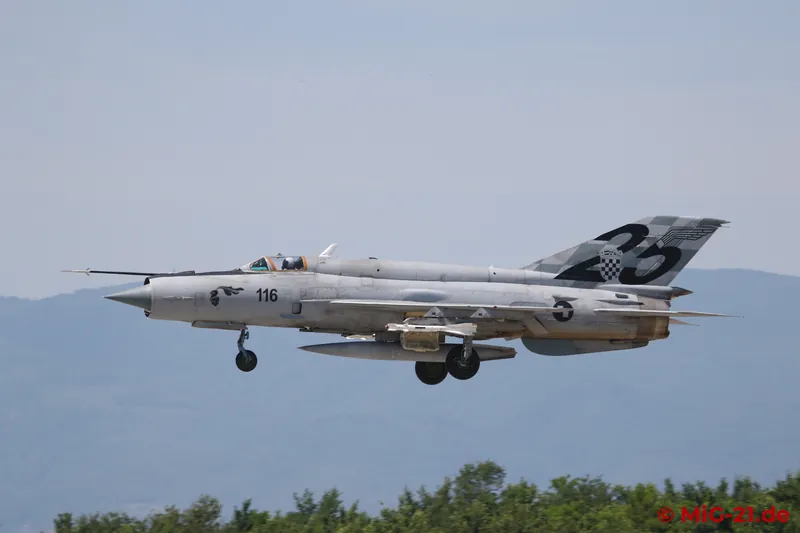
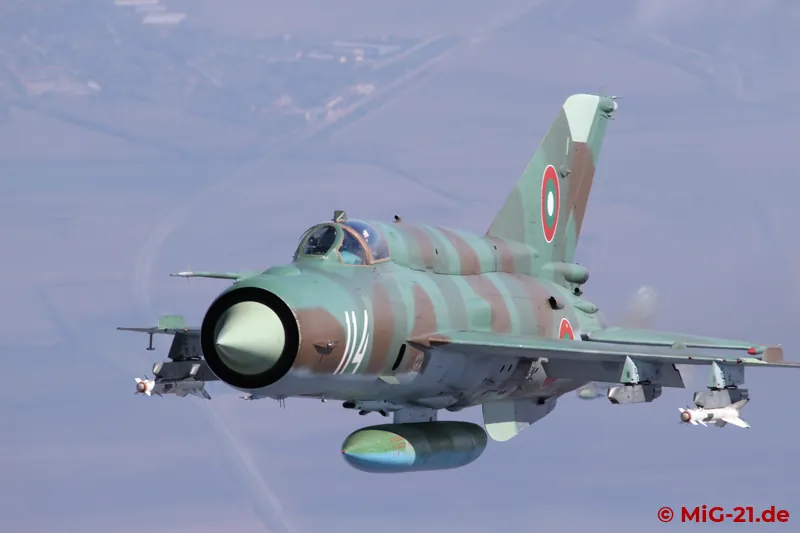
Consequently I had expected that the MiG-21 I photographed most would also come from Romania. To my surprise, until almost the end of the evaluation the Bulgarian MiG-21bis 114 was in first place in this category. Whereas I first suspected that this was due solely to its outstanding role in the air-to-air photo shoot during the Bulgarian-Polish air policing at Graf Ignatievo in 2015, a little research (very easy thanks to the database :-)) showed that things were different. The constant presence of 114 on almost all visits to Bulgaria since 2009 (with few other subjects at the same time, given the small number of active Bulgarian aircraft) produced this result. That 114 was finally pushed into second place had similar reasons. After Romania retired its MiG-21s, Croatia remained the only operator in Europe and again became the sole focus, as had already been the case during the worldwide corona hysteria. On almost every visit to Croatia one aircraft flew that was finally to be the last active one: MiG-21bisD 116. The fact that I "fired continuously" every time I had one of the last opportunities to see the Croatian MiG-21s in action made the lead considerable and also catapulted its sister aircraft 117 into the top 10. As expected, all the other top ten places were then taken by Romanian aircraft. The two highest-placed – 6305 and 6824 – owe their presence to something they have in common: both were for a long time the preferred work tool of the Romanian display pilot Gheorghe GICA Stancu. In 20th place comes the first Serbian aircraft, 17407, and in 23rd place the Polish-American N711MG, in which I flew.
| Rank | Serial | Country | Number of pictures |
|---|---|---|---|
| 1 | 116 | Croatia | 1367 |
| 2 | 114 | Bulgaria | 942 |
| 3 | 6305 | Romania | 767 |
| 4 | 6824 | Romania | 744 |
| 5 | 9611 | Romania | 726 |
| 6 | 6203 | Romania | 685 |
| 7 | 117 | Croatia | 636 |
| 8 | 5834 | Romania | 625 |
| 9 | 6607 | Romania | 611 |
| 10 | 9516 | Romania | 586 |
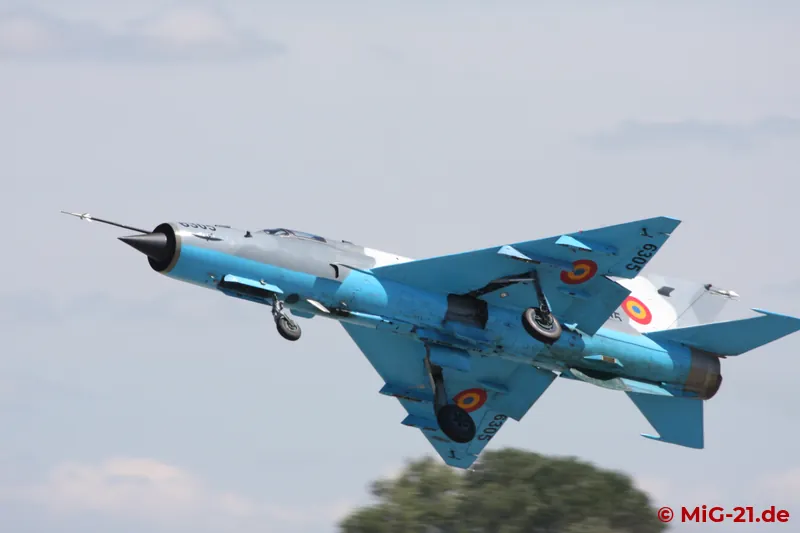
This query also answers how many different MiG-21s I have photographed. There are 790, with some uncertainty because not every aircraft can be clearly identified in the pictures. Of these, "only" 346 were active aircraft; the rest are stored and museum examples.
The question of which MiG-21 versions I have photographed can be answered with "almost all". For the Soviet-built aircraft the spectrum ranges from the first production version MiG-21F to the last MiG-21bis. The two-seaters MiG-21U, US and UM are also represented. In addition there are individual prototypes, such as the Analog 144 in the museum at Monino. Things look quite different, however, if the selection is limited to active versions. As my travel activities only picked up speed at the end of the 1990s, when many of the older versions had already been retired, these are missing from my record. I owe the pictures of the oldest versions to the visits to Odessa between 2007 and 2009, where Egyptian MiG-21RF and US could be seen. Otherwise they are always the MF, MF-75, bis and UM versions and, in one case, the Finnish indigenous reconnaissance development bisT.
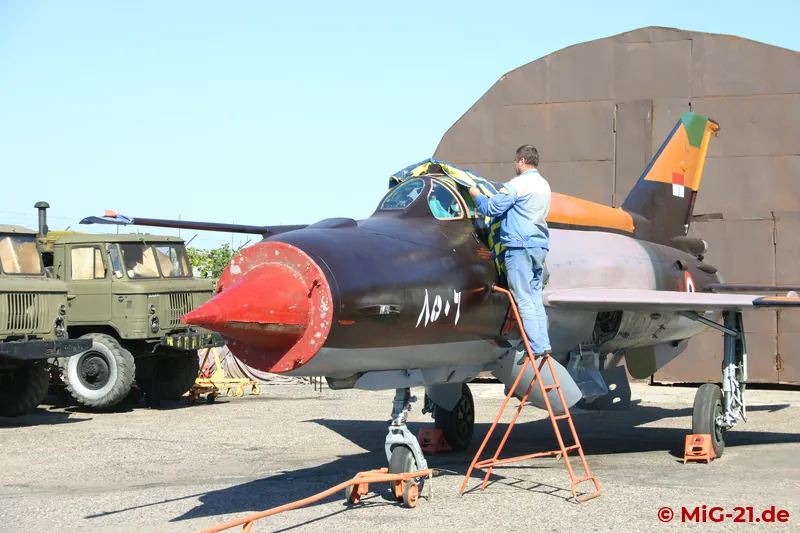
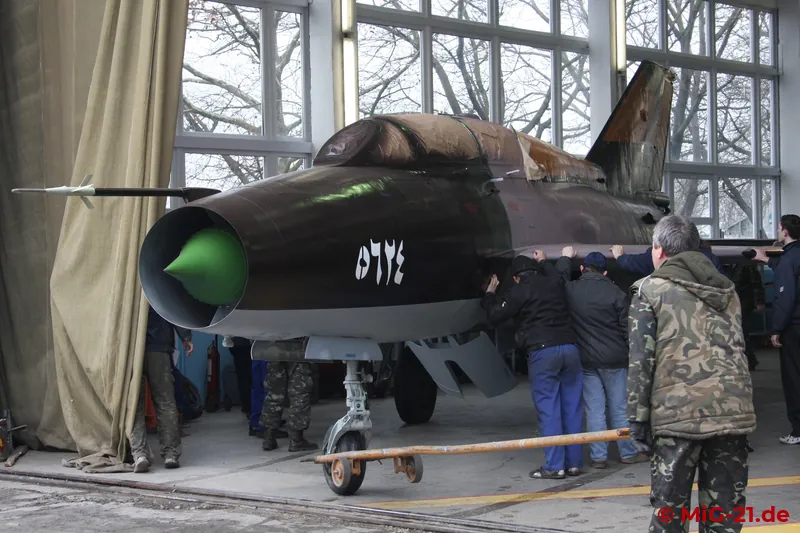
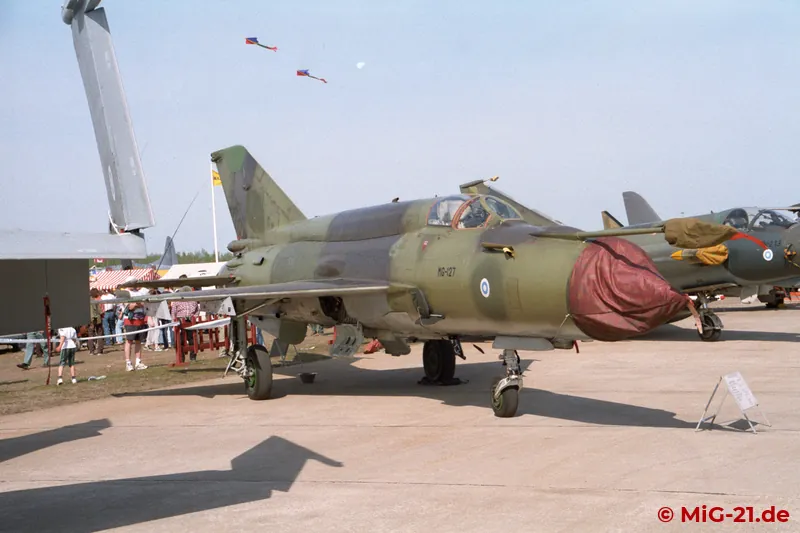
I was even more successful in "hunting" the upgraded versions, which appeared in the service of various air forces at the same time as my involvement intensified. I have seen representatives of all major upgrade programmes:
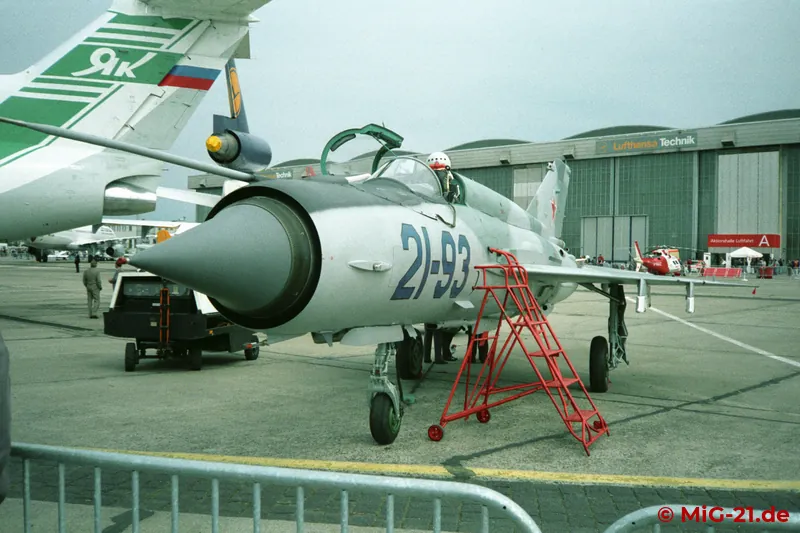
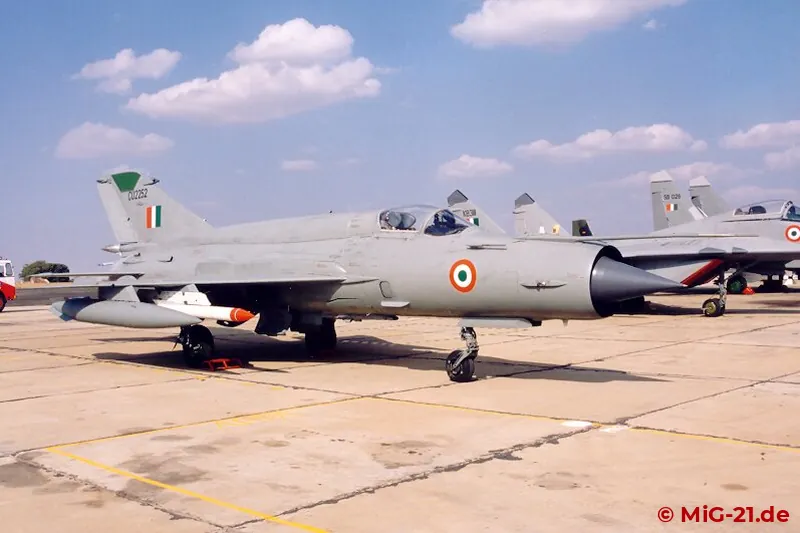
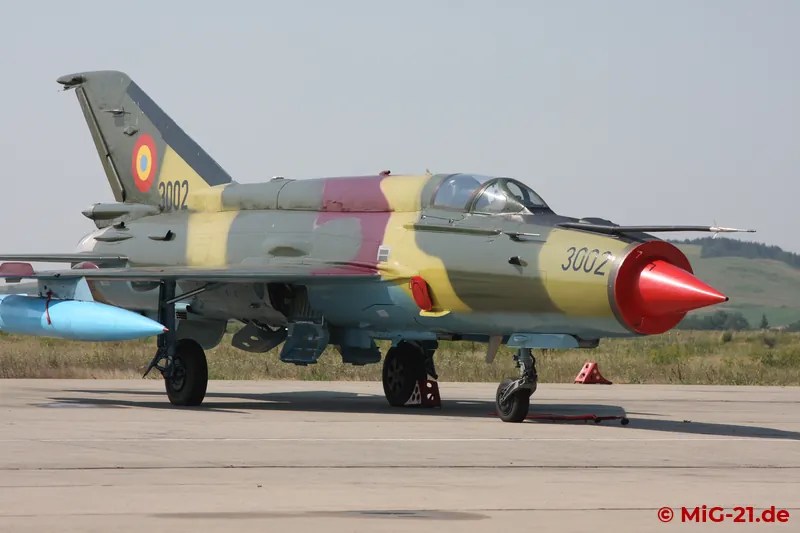
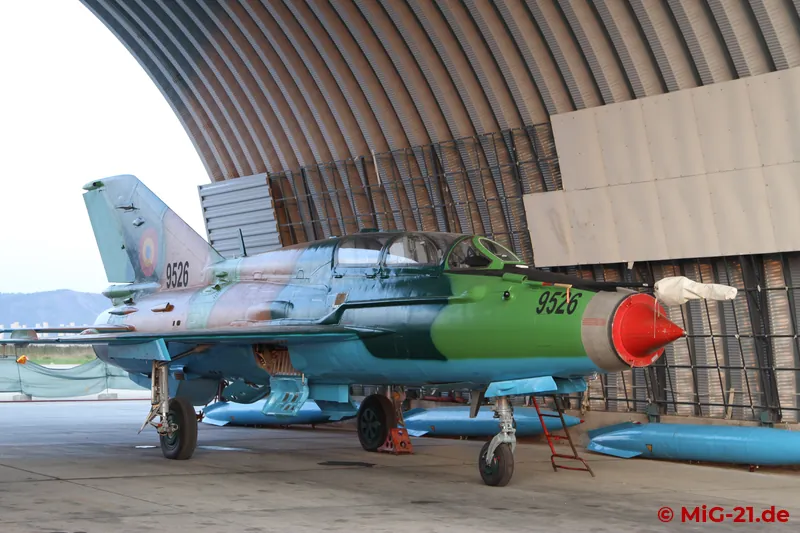
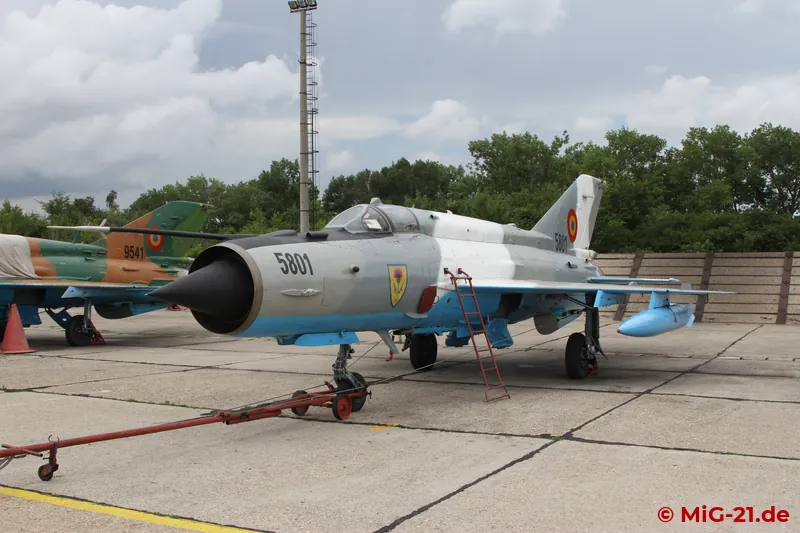
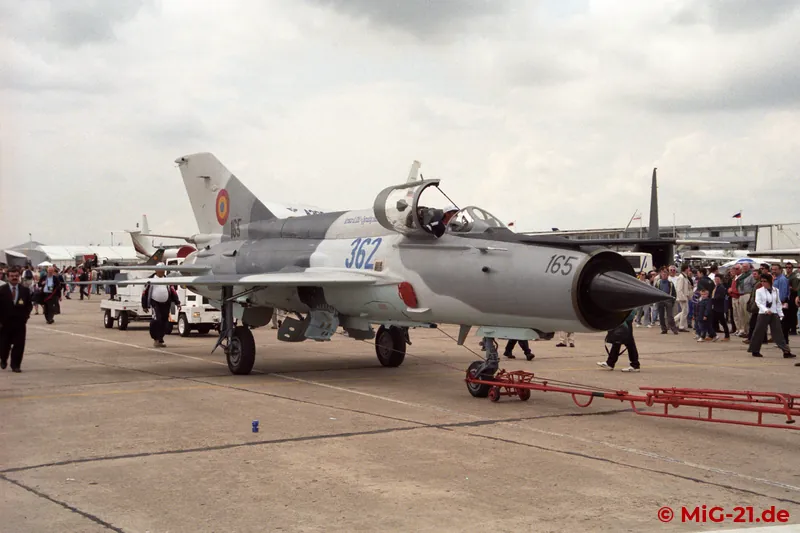
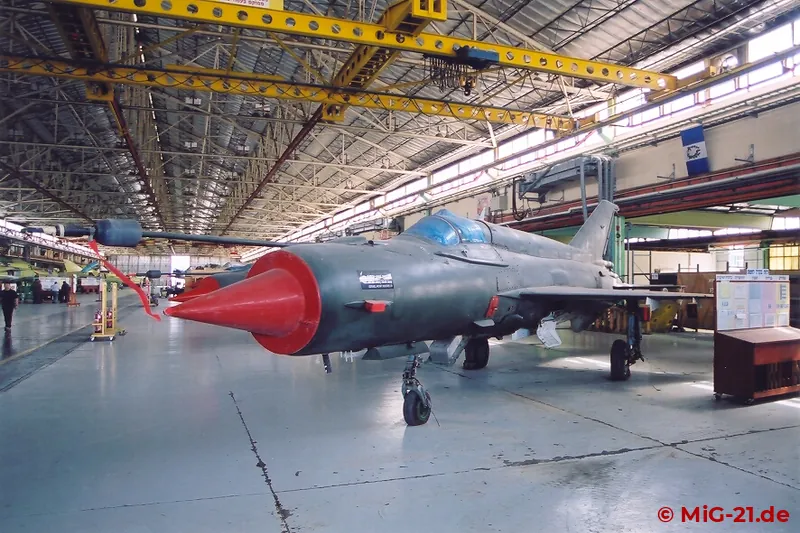
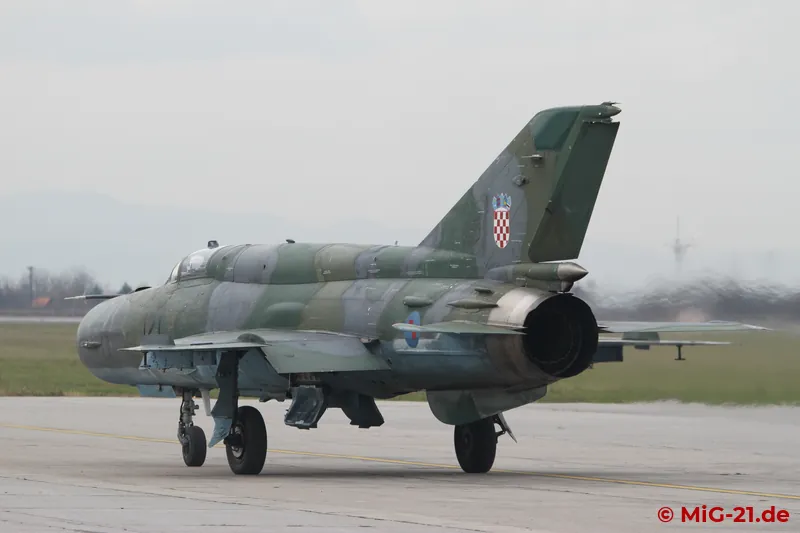
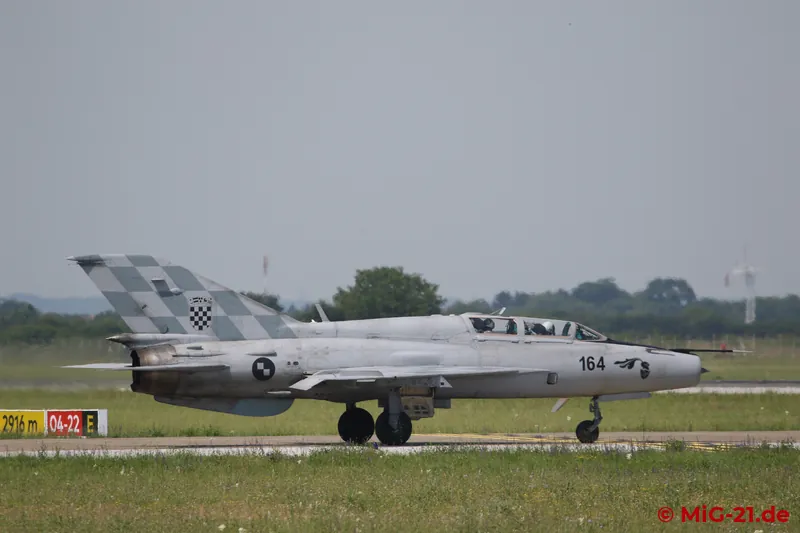
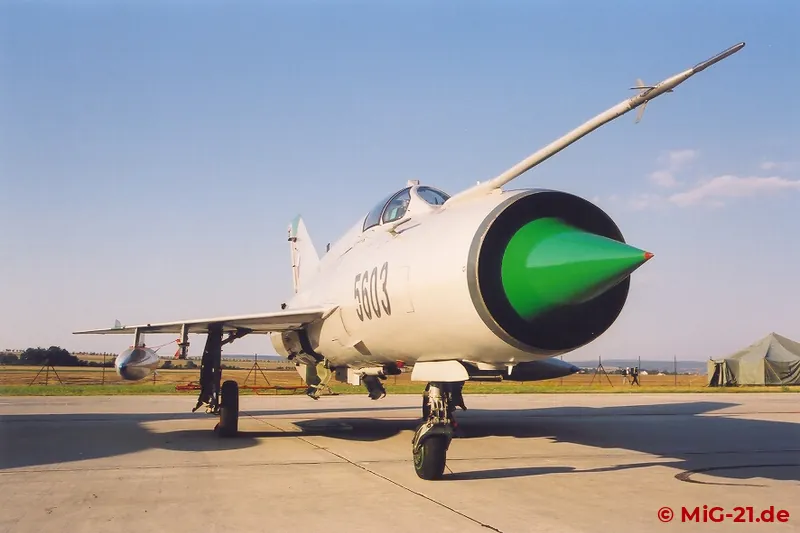
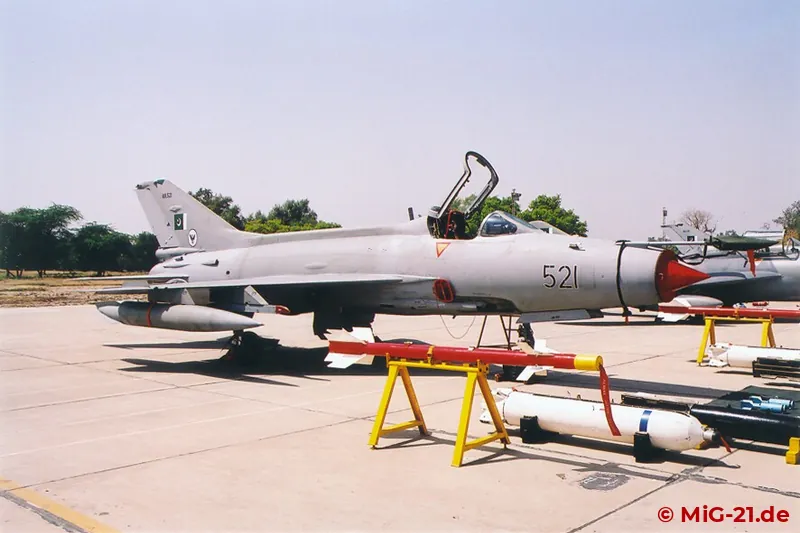
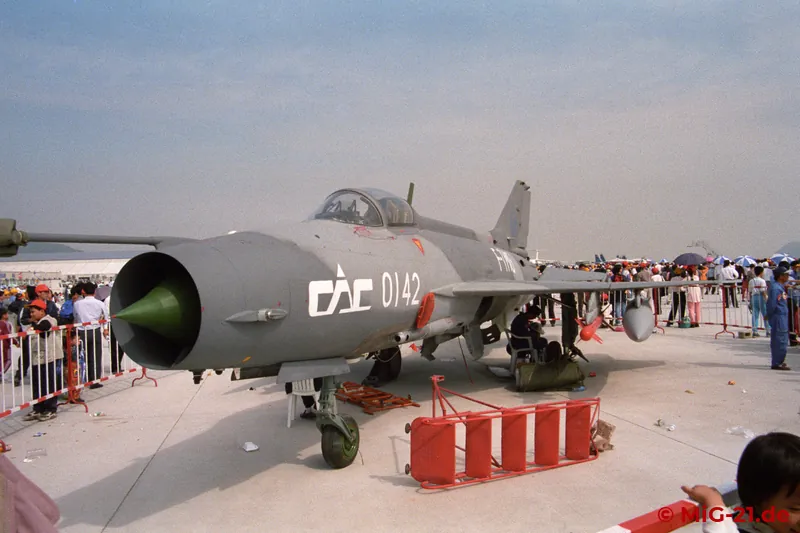
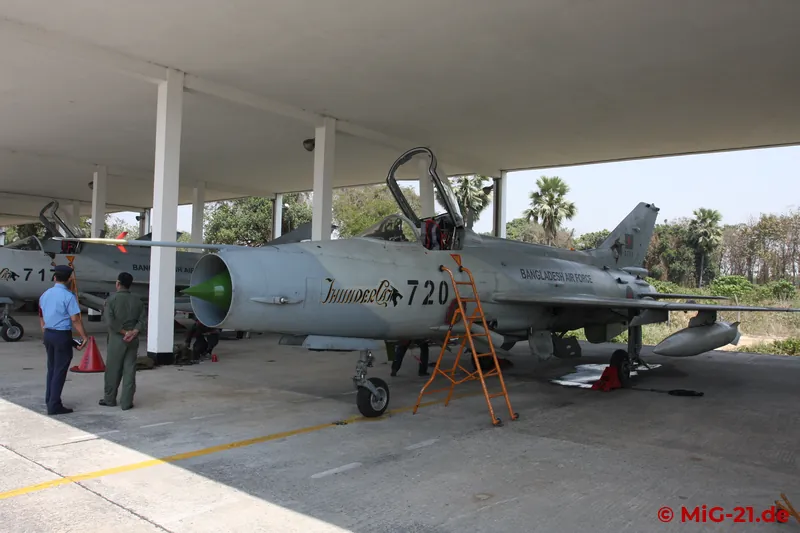
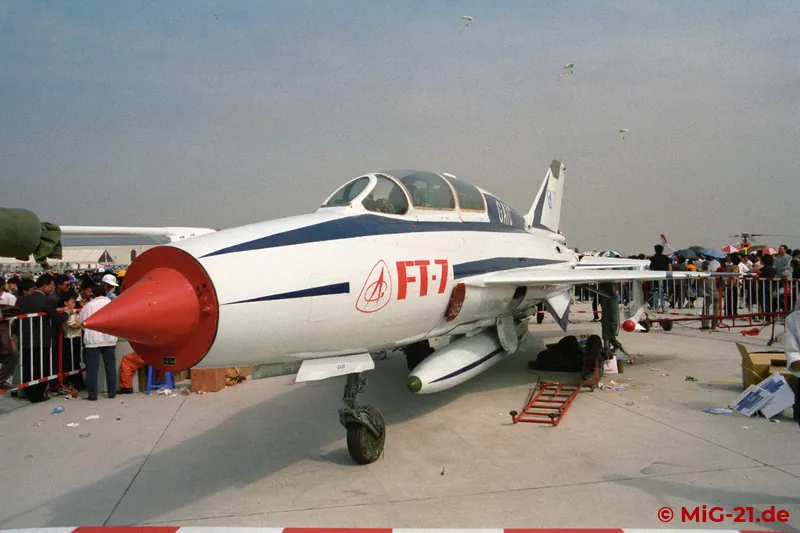
At first glance, the Chinese versions in my photo collection also look quite varied, with the export single-seaters F-7A, BG, BG-I, BS, GS, MB, MG and P, the export two-seaters FT-7, FT-7BG, BG-I, MB, N, NI and P and the domestic version J-7EB. However, a version designation there does not necessarily stand for a fundamentally new modification but often only for a country-specific adaptation, so the actual coverage of versions is considerably smaller:
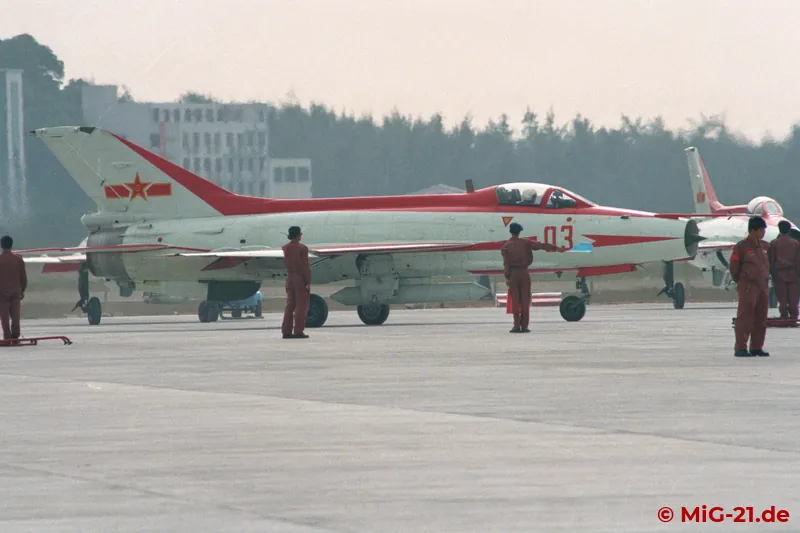
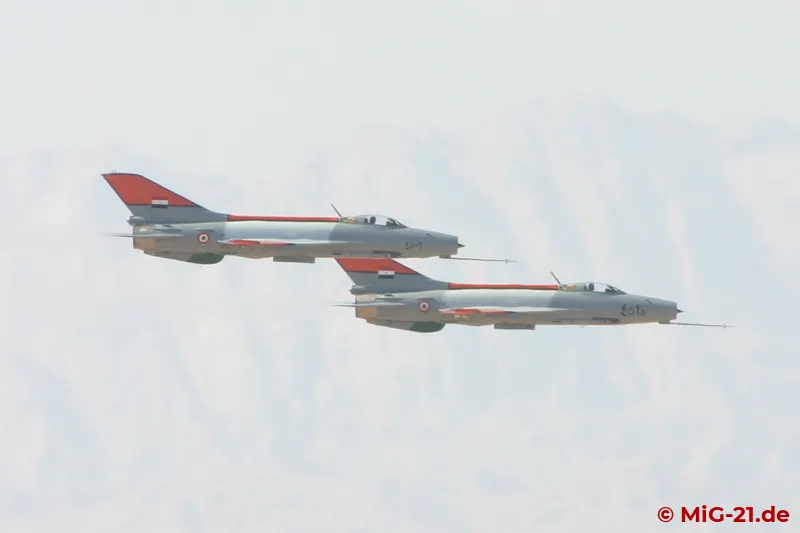
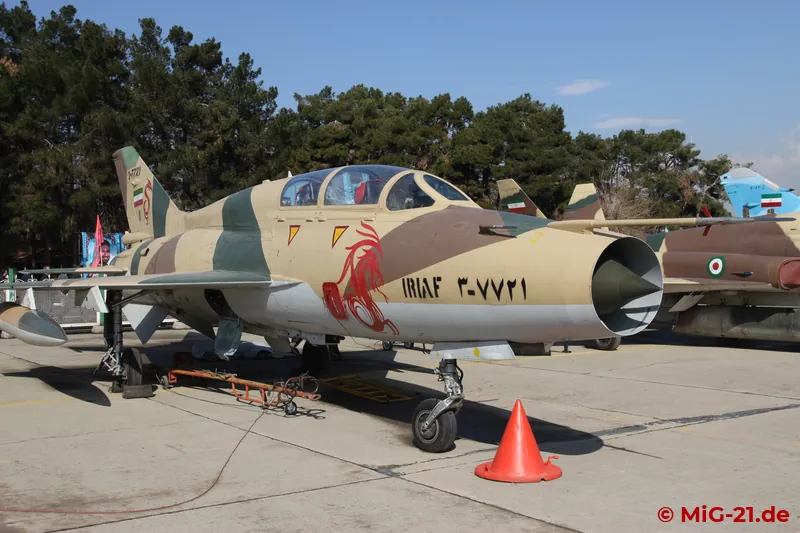
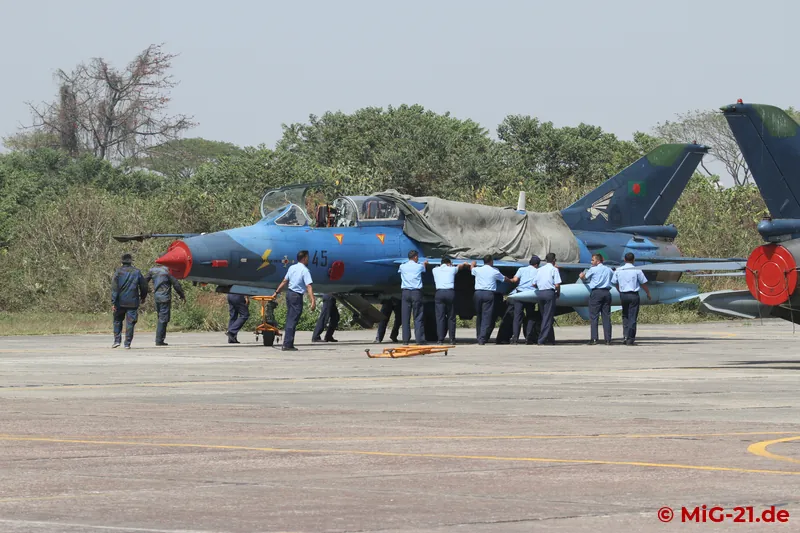
So much for the current evaluation. Let us hope that my picture collection continues to grow even after the end of MiG-21 operations in Europe.