For a planned series of articles in the magazine Fliegerrevue X on traces of the East German Air Force in reunified Germany, the author visited Vattenfall's Jänschwalde power station in 2011. During other research for this series he had learned that MiG-21 engines are still used there to thaw coal that freezes in the wagons during rail transport from the open-cast mine in wintry temperatures. Even though the series of articles ultimately fell victim to the publisher PPV's strange treatment of its authors, the author owes the research some interesting insights.
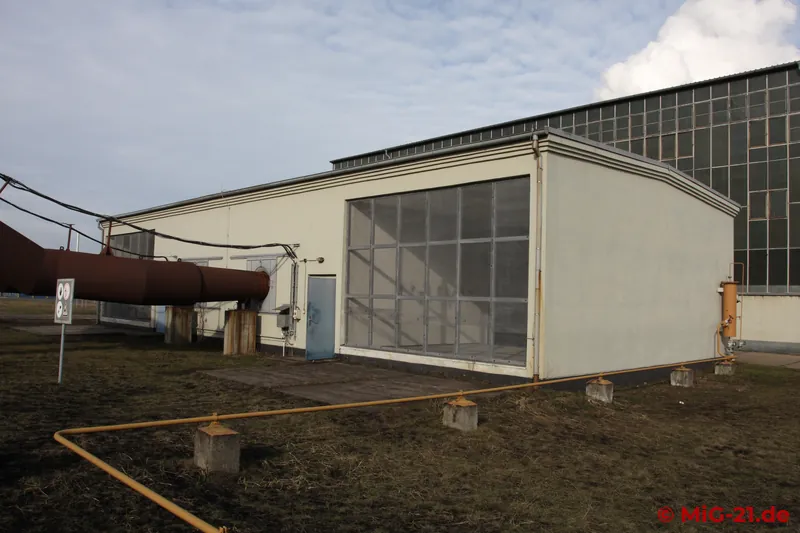
In an inconspicuous building ...
... at the edge of the unloading facility ...
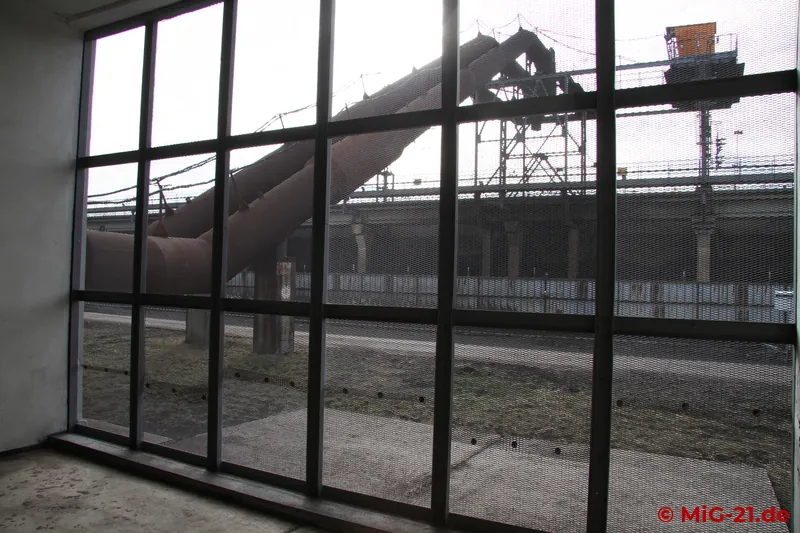
... "behind bars" ...
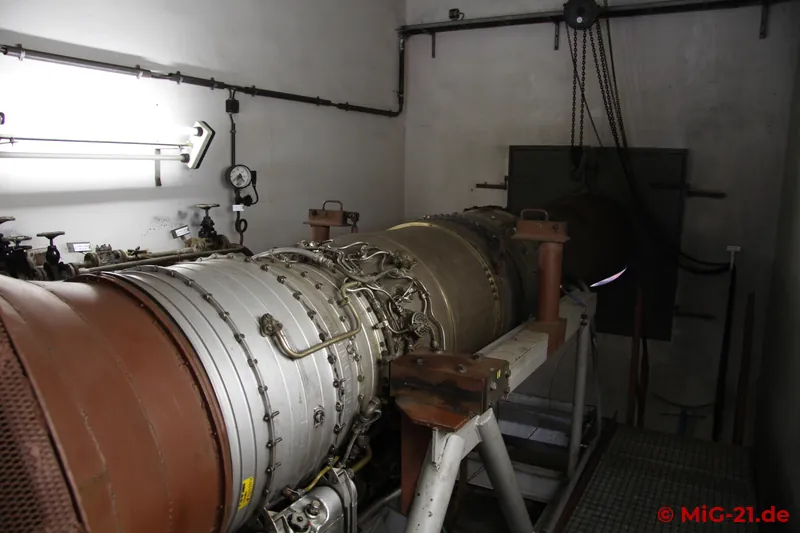
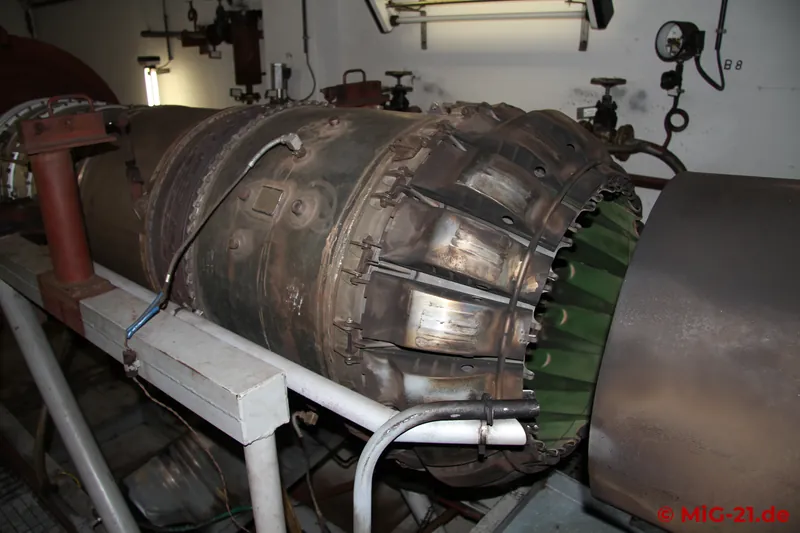
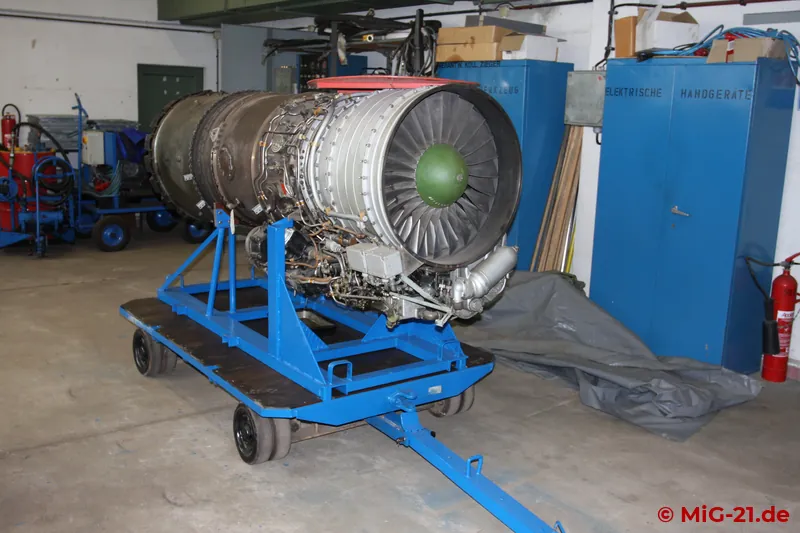
... there is a sight familiar to the MiG-21 technician – an R11F-300, the engine of the MiG-21F-13.
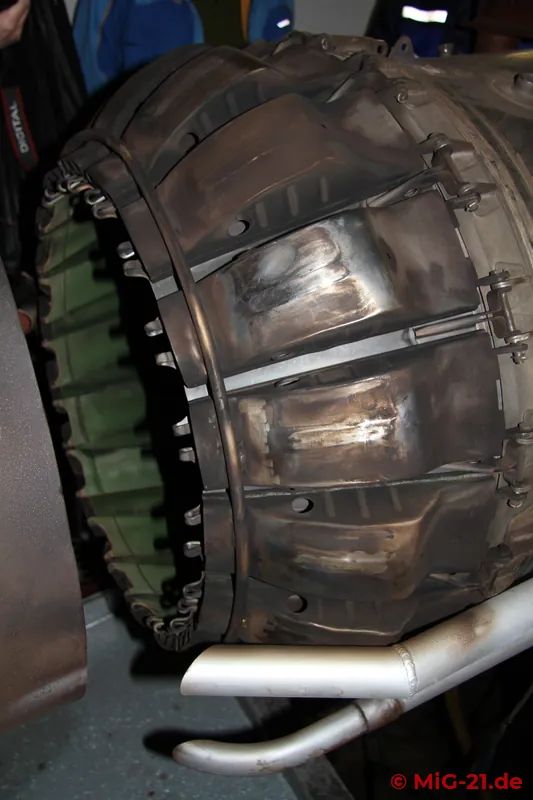
On closer inspection, the engine shows two decisive differences from the original version in the aircraft: the afterburner section is much shorter ...
... and the nozzle has been fixed at the smallest cross-section so that the gas jet is optimally guided into the pipes that lead it to its destination.
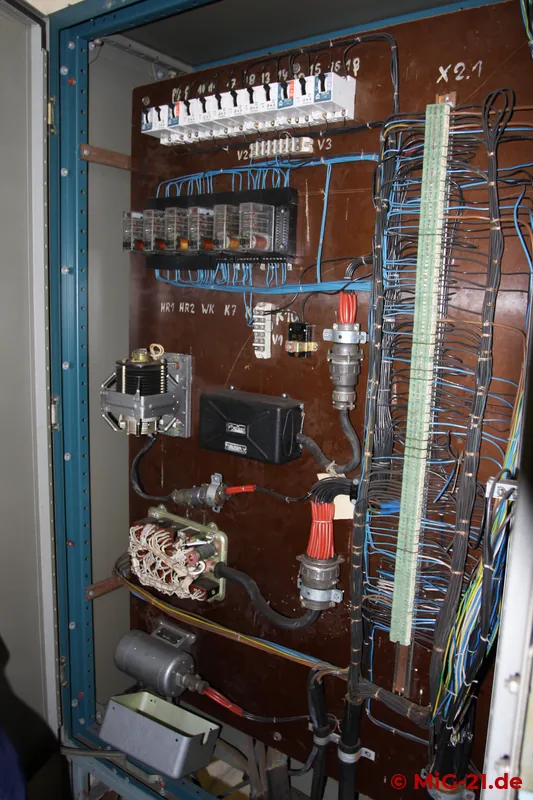
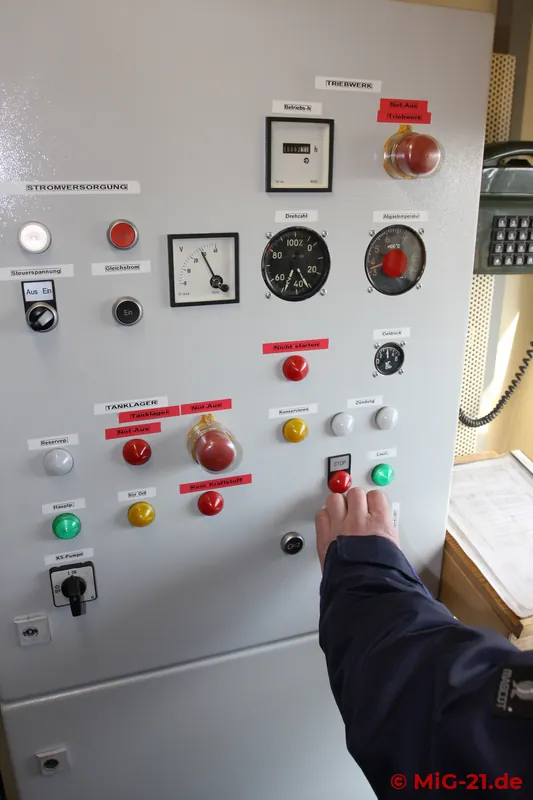
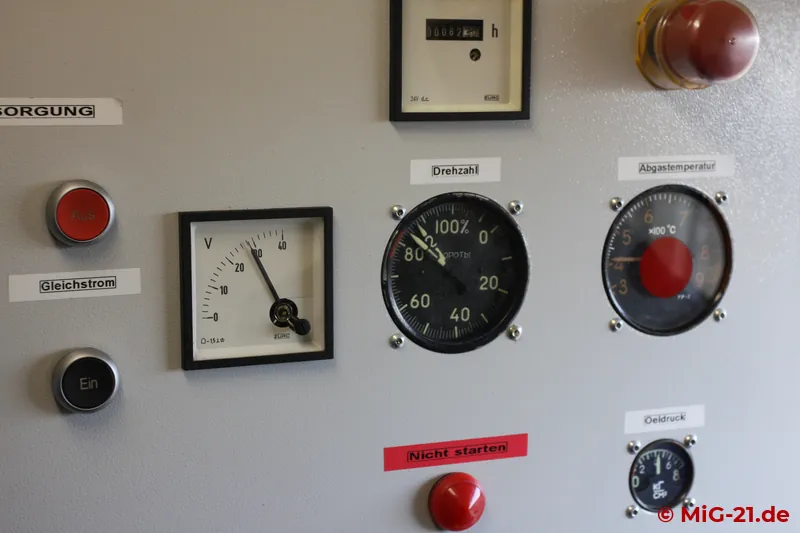
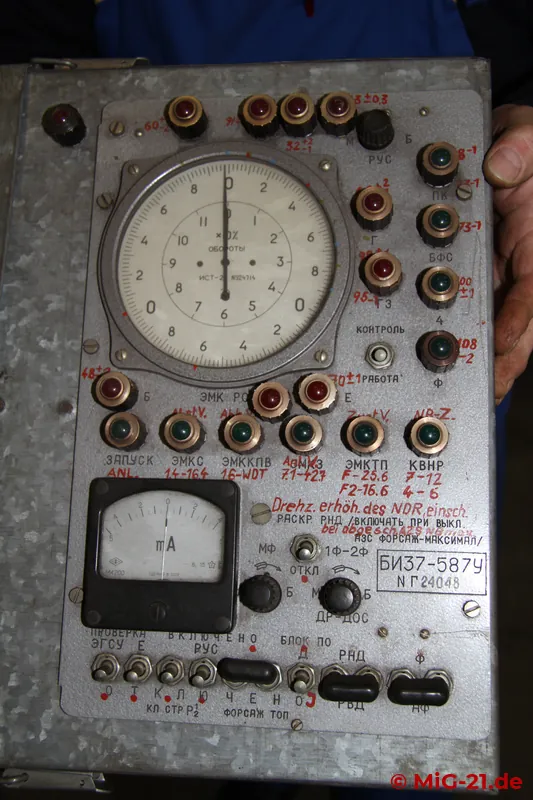
The control cabinets in the building also contain components that one would rather expect in an aircraft.
From the building ...
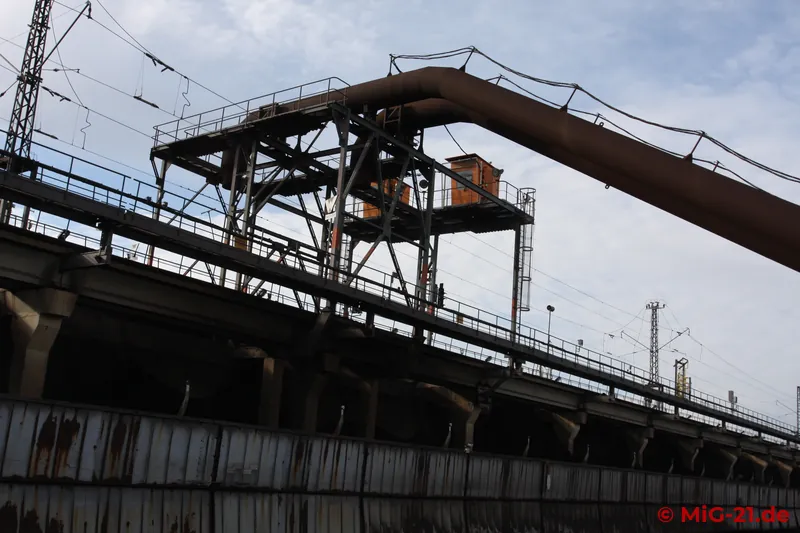
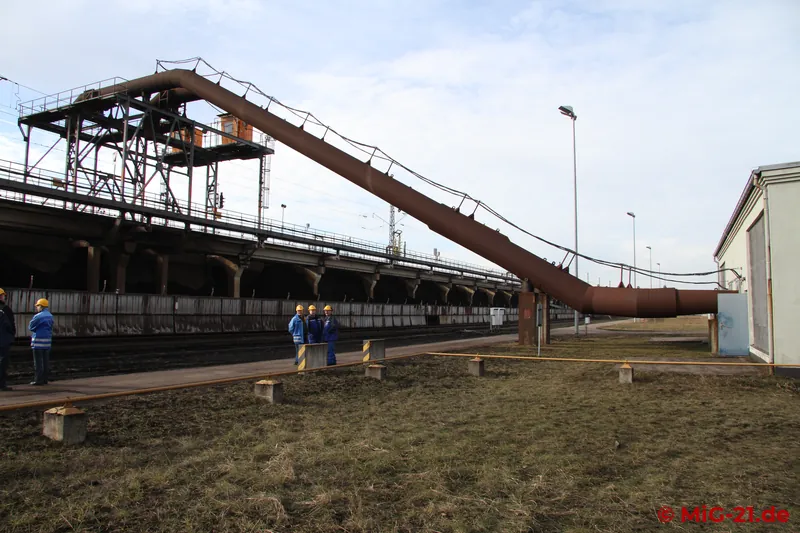
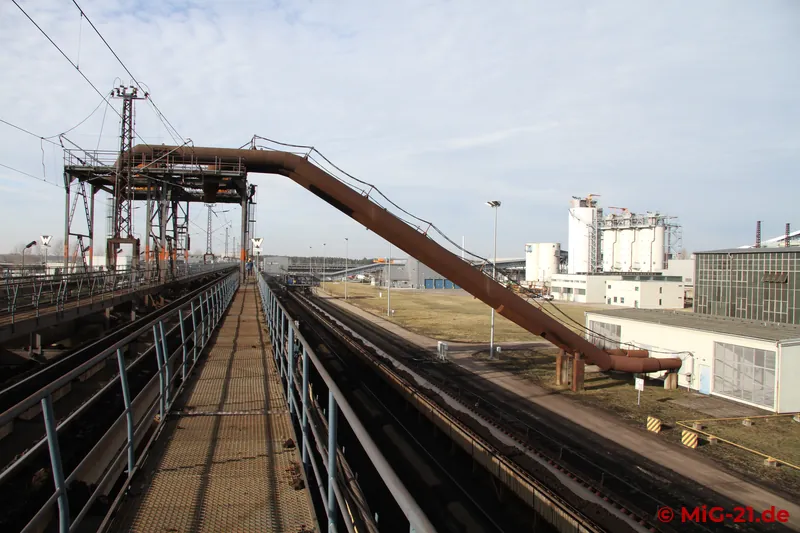
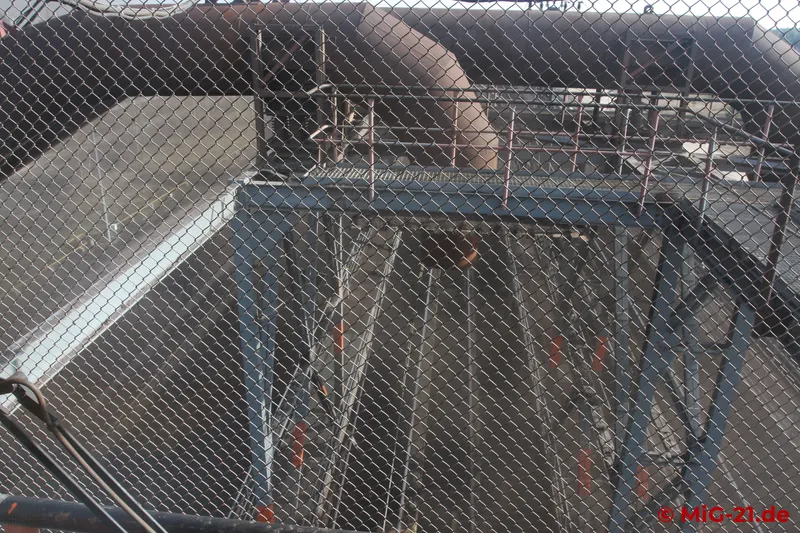
... the metre-thick hot gas pipes run ...
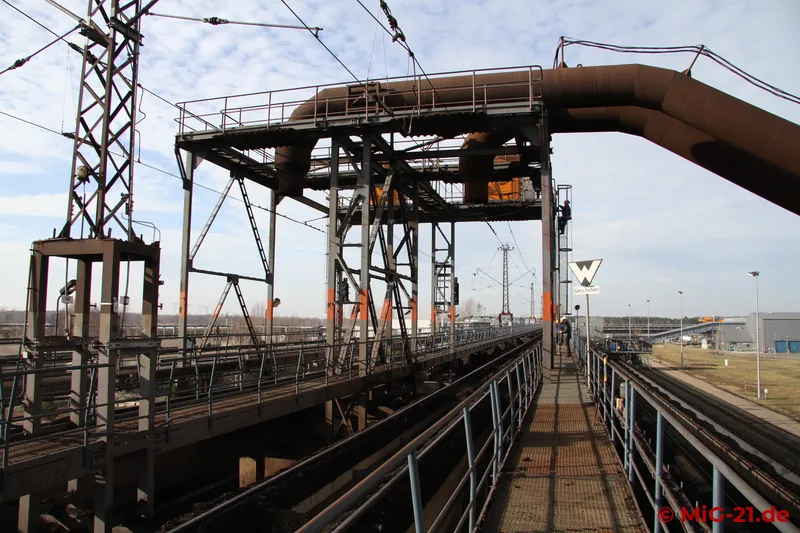
... onto a scaffold ...
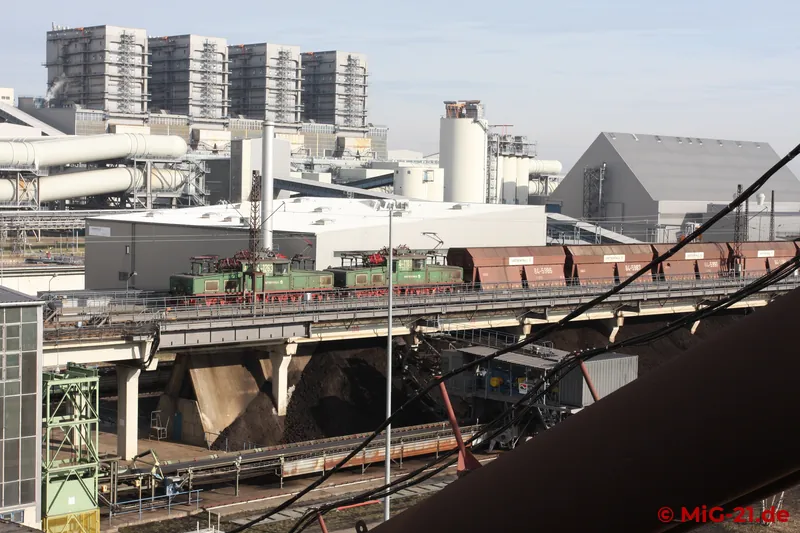
... above the unloading tracks ...
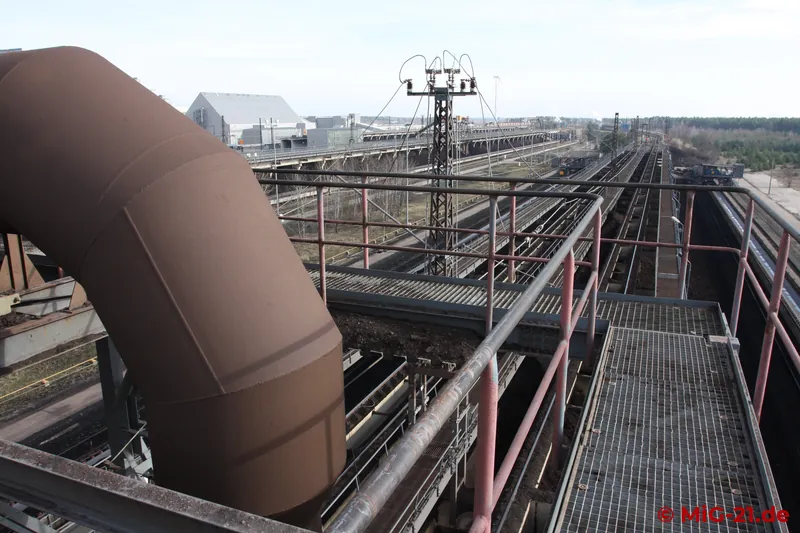
... and end in a bend ...
... whose end points at the positions of the wagons.
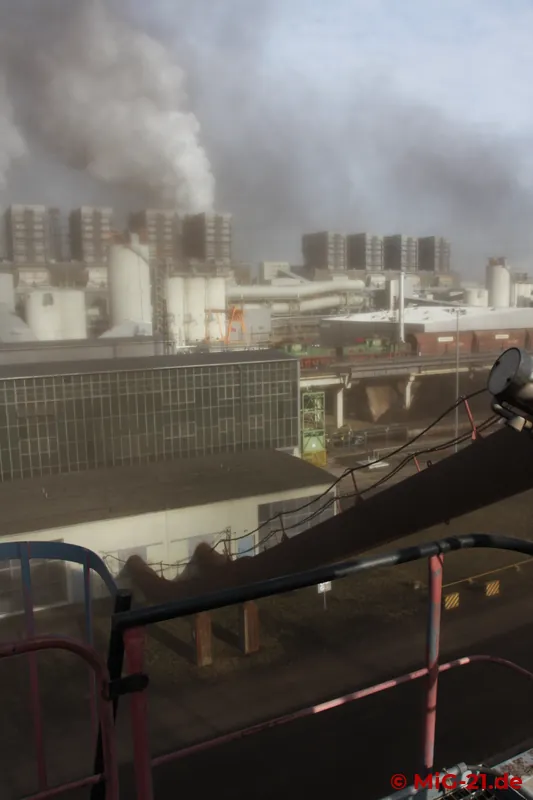
When a train arrives in wintry temperatures with the coal frozen in the wagons, ...
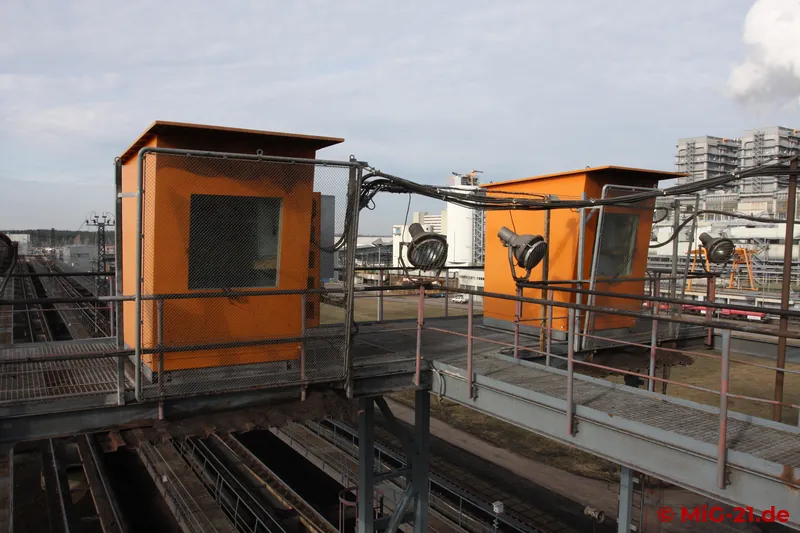
... the engines are started in the cabins above the tracks ...
... via control cabinets ...
... with instruments familiar from the aircraft cockpit.
They blow hot air onto the coal, which not only thaws it but also causes considerable dust – surely a reasonable price for high security of supply and warm homes in winter.
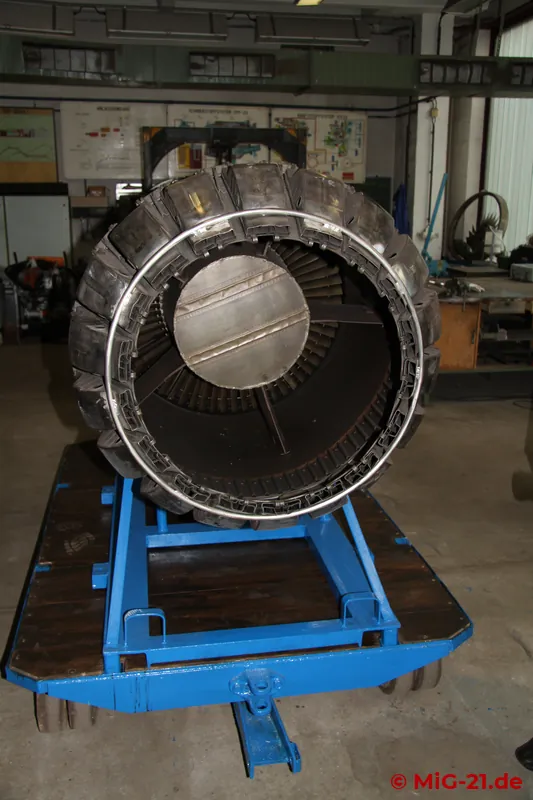
To ensure the readiness of the engines at all times, the power station has its own engine workshop, where spare units also await their use.
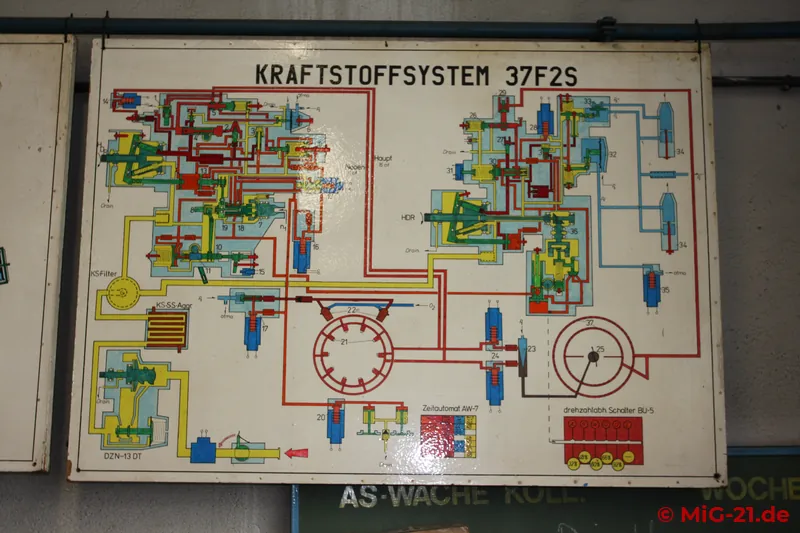
In many respects the workshop is reminiscent of an NVA maintenance unit – with various diagrams, ...
... the original measuring instruments ...
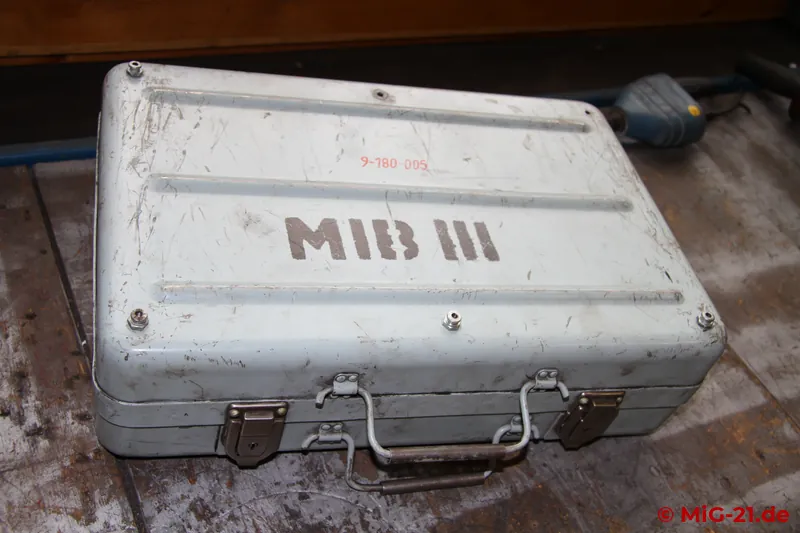
... and the familiar tool cases.
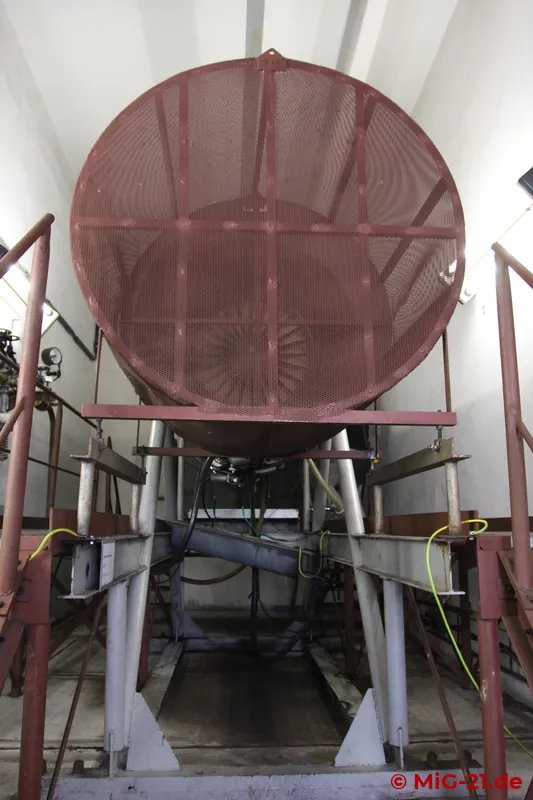
A look into the nozzle of the spare engine reveals the modifications to the afterburner section.
The author's thanks go to all Vattenfall employees who made the visit possible.